Today, medical tourism in 2026 is being shaped by AI diagnostics, wellness retreats, and clear pricing – helping patients from the UK, Canada, and Australia save 50-70% on healthcare.*
Back in 2024, the global medical tourism market was valued at $28.32 billion. By 2030, it is expected to reach $46.27 billion – a yearly growth rate of 8.67%.
For patients from the United Kingdom, Canada, Australia, and Dubai – facing long waiting lists, soaring private healthcare costs, or limited treatment options – medical tourism in 2026 offers more choices, better technology, and integrated wellness experiences than ever before.
From AI-powered diagnostics to precision medicine partnerships – like the collaboration between Harley Street Specialist Hospital, London and premier healthcare providers in Sri Lanka – here are the 7 biggest trends shaping healthcare travel this year.
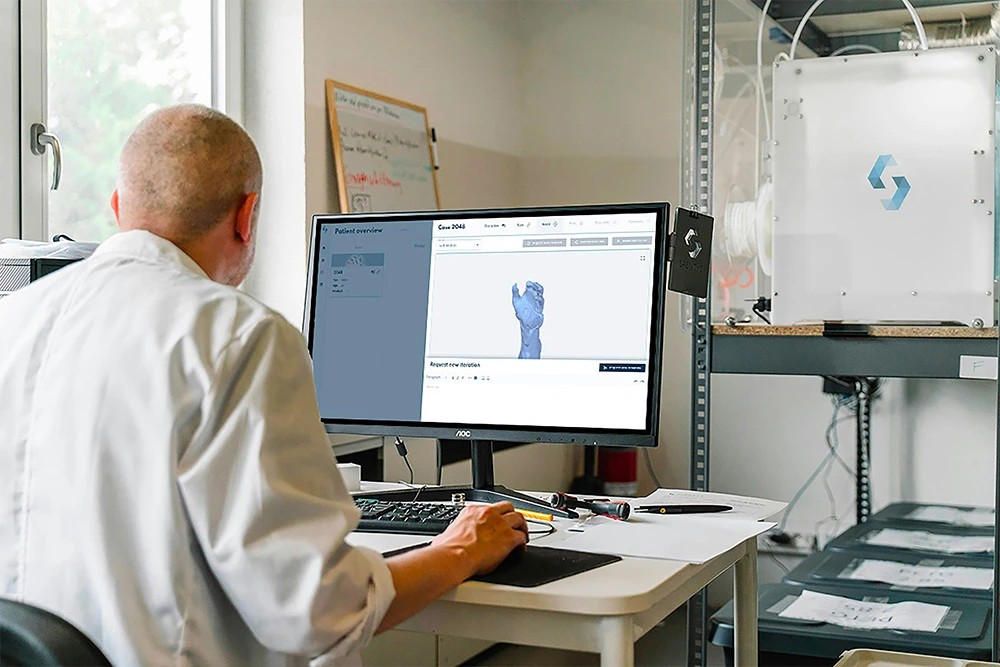
What’s happening: Artificial intelligence is no longer a futuristic concept. In 2026, AI is being used to analyze medical images, predict treatment outcomes, and personalize patient care plans – even before you travel.
Why it matters for medical tourists: Patients can now receive world-class diagnostic opinions remotely, then travel only for treatment and recovery. This “diagnose at home, treat abroad” model reduces time away from work and family.
Example: Harley Health Tourism’s partnership with Harley Street Specialist Hospital, London allows patients to access precision diagnostics before leaving their home country – ensuring they arrive in Sri Lanka with a confirmed treatment plan.
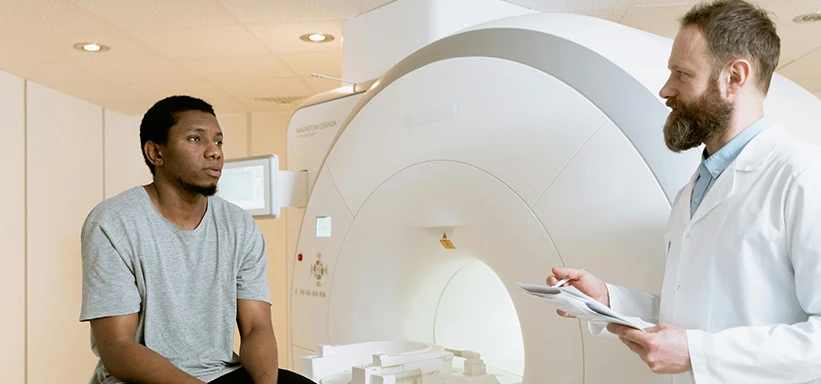
What’s happening: Medical tourism is no longer just about surgery. Patients want holistic experiences that combine treatment with wellness, relaxation, and recovery in healing environments.
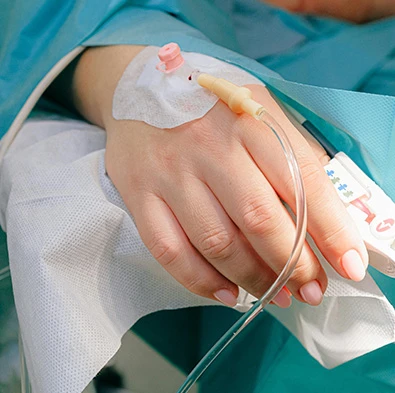
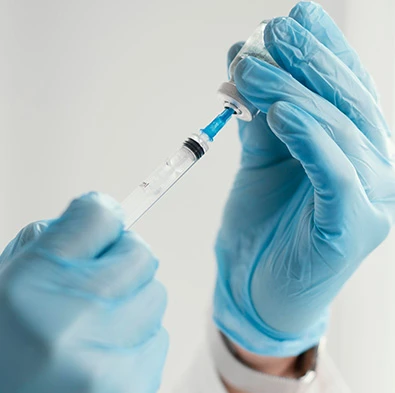
Why it matters: Sri Lanka, with its authentic Ayurvedic heritage, pristine beaches, and peaceful mountains, is perfectly positioned for this trend. Patients are choosing destinations where they can detox, de-stress, and recover – not just “get fixed and leave.”
Key stat: The global wellness tourism market is growing faster than medical tourism alone, with travelers willing to pay premium rates for integrated wellness experiences.
What’s happening: Long-haul flights are becoming less popular. Patients prefer regional destinations with shorter flight times, similar time zones, and strong healthcare infrastructure.
Why it matters for Sri Lanka: Sri Lanka is ideally located for patients from:
🇦🇪 Dubai – 4-5 hour flight
🇦🇺 Australia (Perth) – 7-8 hour flight
🇸🇬 Southeast Asia – 3-4 hour flight
Shorter travel distances mean less jet lag, lower flight costs, and easier follow-up travel for family members.
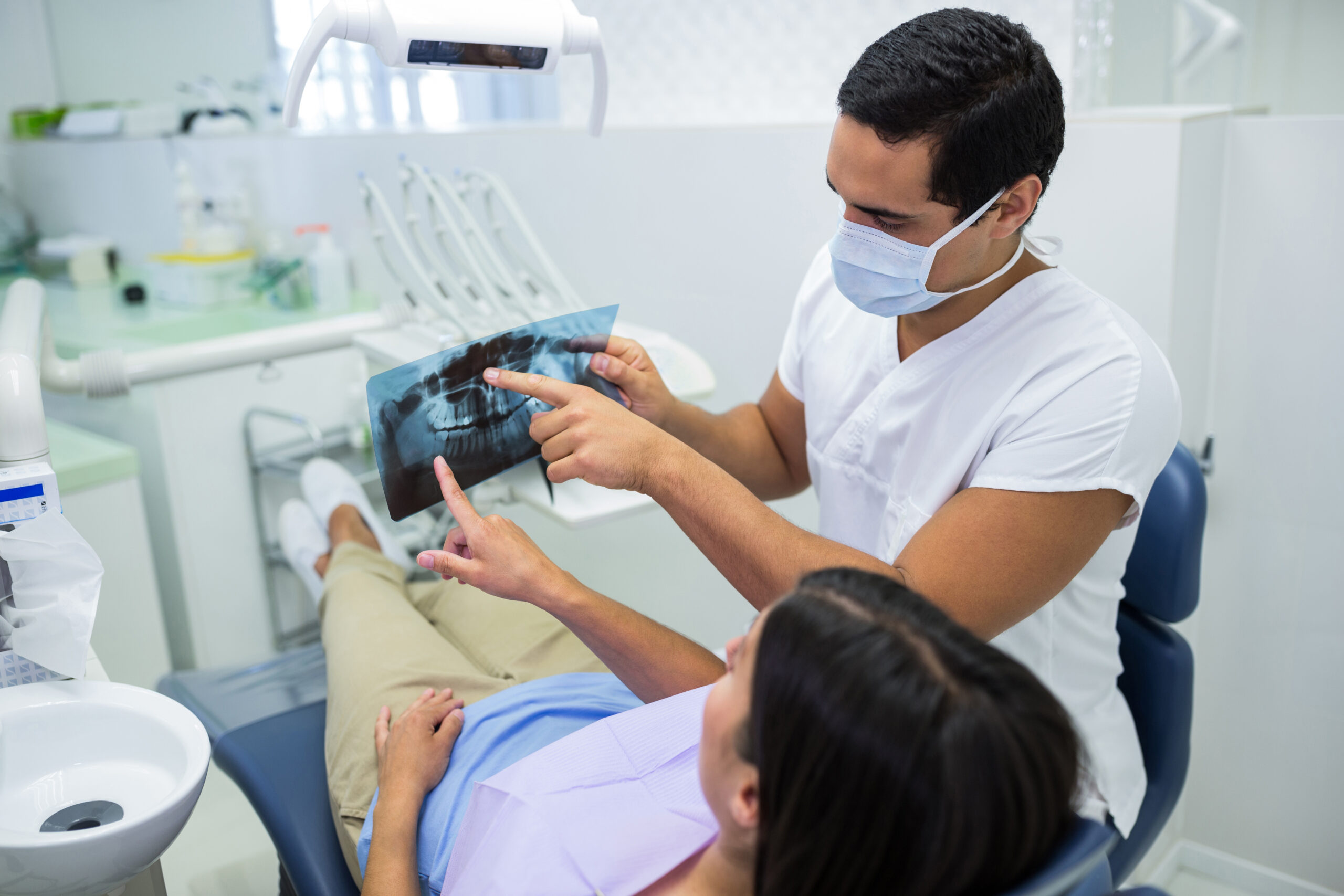
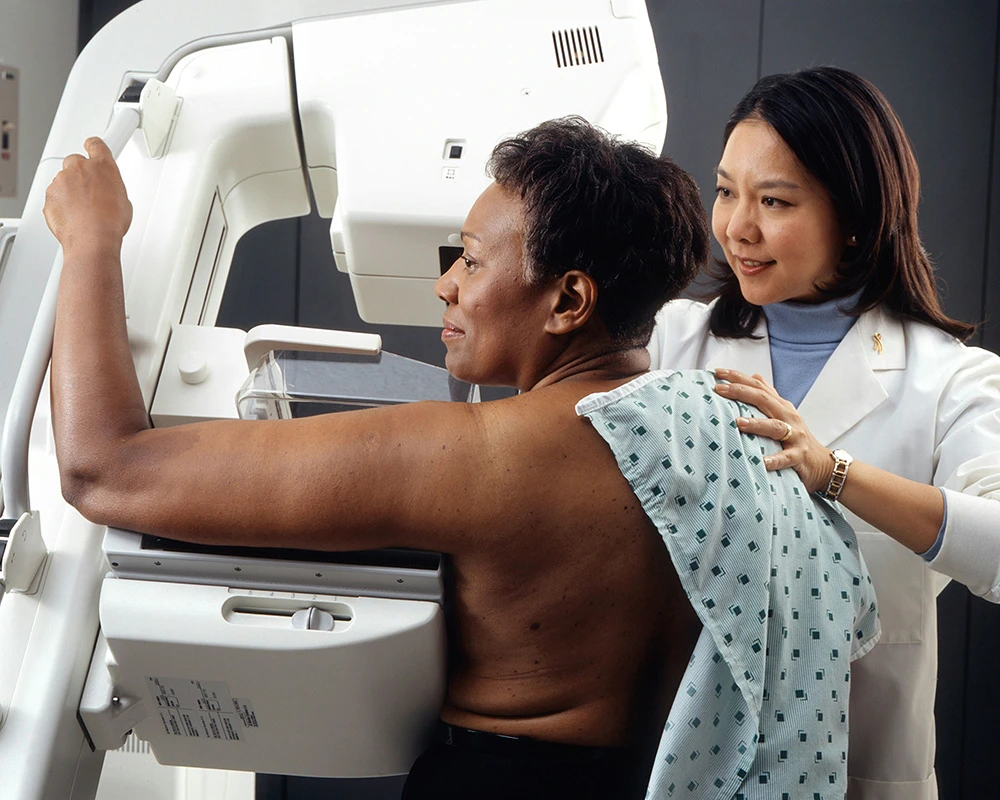
What’s happening: Patients are no longer waiting to get sick. They are traveling for preventive health screenings, full body checkups, and early disease detection – before symptoms appear.
Why it matters: A full body checkup in Sri Lanka, including blood work, cardiac screening, cancer markers, and imaging, costs 50-70% less than comparable private packages in the UK, Canada, or Australia.
Example services: Pre-travel health assessments, executive health checkups, genetic testing, and cancer screening programs are among the fastest-growing medical tourism segments in 2026.
What’s happening: Fertility treatments – especially IVF, ICSI, and egg freezing – are among the top reasons patients travel abroad. High costs and long waiting lists in Western countries are driving demand.
Why it matters: A single IVF cycle in the UK costs £5,000-£8,000 ($6,500-$10,500 USD). In Sri Lanka, through Harley Health Tourism, the same all-inclusive IVF cycle starts from $3,500-$4,500 USD – saving patients 50-70%.
What’s new in 2026: More patients are combining fertility treatment with wellness retreats – using their treatment cycle as an opportunity to rest, de-stress, and recover in a healing environment.

What’s happening: Patients are demanding full transparency – no hidden fees, no surprise bills, no confusing fine print.
Why it matters: In 2026, medical tourism facilitators that do not offer all-inclusive packages with clear pricing will lose patients to those who do.
What an all-inclusive package should include in 2026:
- Free online consultation with a specialist
- Medical visa assistance and sponsorship letter
- Airport pickup and drop-off
- Private accommodation (often with meals)
- All treatment and doctor fees
- 24/7 in-country patient support
- Post-treatment virtual follow-up
What’s happening: With more medical tourism options than ever, patients are doing more research before booking. They want proof: certified doctors, accredited hospitals, and real patient testimonials.
What patients look for in 2026:
🏥 JCI accreditation (the global gold standard for hospitals)
👨⚕️ Certified, English-speaking doctors with international training
📋 Real patient reviews with photos and country flags
🔒 Data privacy and secure medical record handling
Why Sri Lanka wins: Sri Lanka has multiple JCI-accredited hospitals and GAM-certified Ayurvedic centers, plus a strong English-speaking medical community – giving patients the trust they need.
Ready to Experience Medical Tourism in 2026?
The medical tourism landscape in 2026 offers more choice, better technology, and greater transparency than ever before. Whether you need diagnostic screening, fertility treatment, dental work, Ayurvedic wellness, surgery, or post-procedure recovery – Sri Lanka is emerging as a top destination for patients from the UK, Canada, Australia, and Dubai.
Why patients choose Harley Health Tourism:
✅ Backed by Harley Street Specialist Hospital, London for precision diagnostics
✅ All-inclusive packages with transparent pricing – no hidden fees
✅ 50-70% savings compared to private care in your home country
✅ 24/7 support from first call to return home
Ready to take the next step?
📞 Free consultation – no obligation
💬 WhatsApp: +94 72 114 4567
🌐 www.harleyhealthtourism.com